Browse Our Latest Collections Up to 30% Off
Digital Natives Transforming Office Design 2026 | Gen Z Workplace Trends
Explore how digital natives are reshaping office design with flexible layouts, smart technology, and modern workspace trends that boost productivity. Gen Z Workplace Trends
Royal Real Touch
12/4/20253 min read
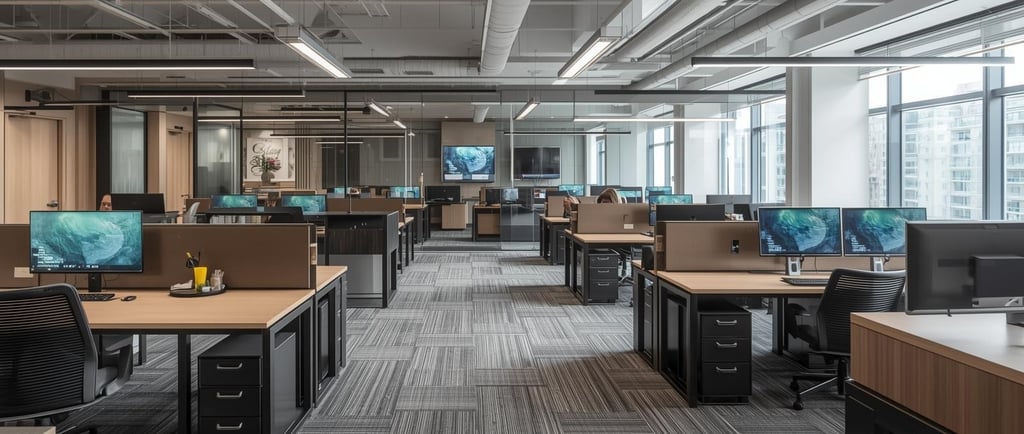
How Digital Natives Are Transforming Office Design
9 Powerful Trends Every Business Must Adopt in 2026
Introduction: The Urgent Shift in Workplace Design
Workplace expectations are changing faster than most companies can keep up. As digital natives enter the workforce, traditional office environments are becoming outdated. These employees, primarily Gen Z, have grown up with smartphones, cloud platforms, and instant connectivity. As a result, they expect the same level of efficiency and flexibility in their workspaces.
According to global workforce data, digital natives are projected to make up nearly 75% of the global workforce, forcing businesses to rethink how offices are designed and operated. In fast-growing business hubs like Dubai, companies that fail to adapt risk losing talent, reducing productivity, and falling behind competitors.
This article breaks down how digital natives are transforming office design and what businesses must do to stay relevant.
Who Are Digital Natives and Why They Matter
The term “digital native,” introduced by Marc Prensky in 2001, refers to individuals who have grown up immersed in digital technology. Unlike older generations, they do not adapt to technology, they expect it to work seamlessly.
This shift creates a clear divide between traditional office setups and modern expectations. Digital natives demand environments that are fast, flexible, and built around real-time collaboration.
1. Tech-Integrated Workstations Are Now Essential
Digital natives rely on multiple devices throughout the day. Laptops, tablets, smartphones, and cloud systems are all part of their workflow.
As a result, modern offices must include:
Built-in charging ports
Cable management systems
Seamless connectivity infrastructure
Smart desks that support digital workflows
Offices without proper tech integration create friction, slowing down productivity and increasing frustration.
2. Flexible Workspaces Replace Fixed Layouts
Rigid office structures are no longer effective. Digital natives prefer environments that adapt to different tasks throughout the day.
Flexible office design includes:
Modular workstations
Movable partitions
Multi-purpose furniture
Hot-desking setups
This approach allows businesses to scale quickly and optimize space without constant renovations.
3. Collaboration Spaces Drive Innovation
Digital natives value teamwork and fast communication. Traditional cubicles limit interaction, which reduces idea flow.
Modern offices now prioritize:
Open collaboration zones
Meeting tables designed for group work
Informal breakout areas
Hybrid meeting spaces for remote teams
Studies show collaborative environments can improve team productivity by up to 20%, making this a critical design shift.
4. Mobility and Adaptability Are Non-Negotiable
Gen Z employees do not want to be tied to one desk all day. They move between tasks, teams, and spaces frequently.
This requires:
Lightweight, movable furniture
Adjustable seating
Multi-use work zones
Offices must support movement instead of restricting it.
5. Ergonomics and Comfort Improve Performance
Digital natives are more aware of health and well-being than previous generations. Poor office design leads to fatigue, reduced focus, and long-term health issues.
Modern offices now include:
Ergonomic chairs with lumbar support
Height-adjustable desks
Proper lighting and airflow
Research indicates ergonomic improvements can reduce discomfort by over 30%, directly improving output.
6. Reception and Lounge Areas Reflect Brand Identity
First impressions matter more than ever. Digital natives evaluate companies not just by salary, but by environment and culture.
Modern reception and lounge areas should:
Reflect brand identity
Provide comfortable seating
Support informal meetings
A well-designed entry space signals professionalism and forward-thinking culture.
7. Smart Storage Keeps Workspaces Efficient
Clutter disrupts focus. Digital natives prefer clean, organized environments that support fast work.
Smart storage solutions include:
Integrated cabinets
Minimalist storage systems
Hidden compartments
The goal is simple, reduce visual noise and improve efficiency.
8. The Rise of the “Phygital” Workspace
The future of office design is “phygital”, a seamless blend of physical and digital experiences.
This includes:
Hybrid meeting rooms
Virtual collaboration tools
AI-integrated workflows
Cloud-based work environments
Offices must now support both in-person and remote work equally.
Frequently Asked Questions (FAQs)
1. Why are digital natives changing office design?
Because they expect technology, flexibility, and collaboration to be built into the workspace, not added later.
2. What is the biggest change in modern office design?
The shift from fixed layouts to flexible, modular workspaces that adapt to different needs.
3. How does office design affect productivity?
Well-designed offices improve comfort, reduce distractions, and enhance workflow, increasing productivity by up to 25%.
4. What is a phygital workspace?
A workspace that integrates physical office design with digital tools and virtual collaboration systems.
5. What should businesses prioritize first?
Start with ergonomic furniture and flexible layouts, then integrate technology and collaboration spaces.
Conclusion: Adapt or Fall Behind
The impact of digital natives on office design is not a trend, it is a permanent shift. Businesses must move beyond traditional layouts and invest in environments that support modern work behavior.
Companies that adapt will attract top talent, improve productivity, and build stronger workplace cultures. Those that resist change will struggle to compete.
The future office is flexible, connected, and designed for real performance, not appearance.
Customization

Quick Links
Company
Leading office furniture manufacturer, designer, and supplier in Dubai.
Copyright © 2025 ROYAL REAL TOUCH OFFICE FURNITURE Manufacturing LLC . All Rights Reserved. Terms Of Use Privacy Policy
Have Questions? Call Us
Products
Email: info@realtouchfurniture.ae